
After Hurricane Helene: 5 Essential Steps for Small Businesses to Prepare for Natural Disasters
This week’s insight urges all of us to count our blessings and prepare for the next potential natural disaster.
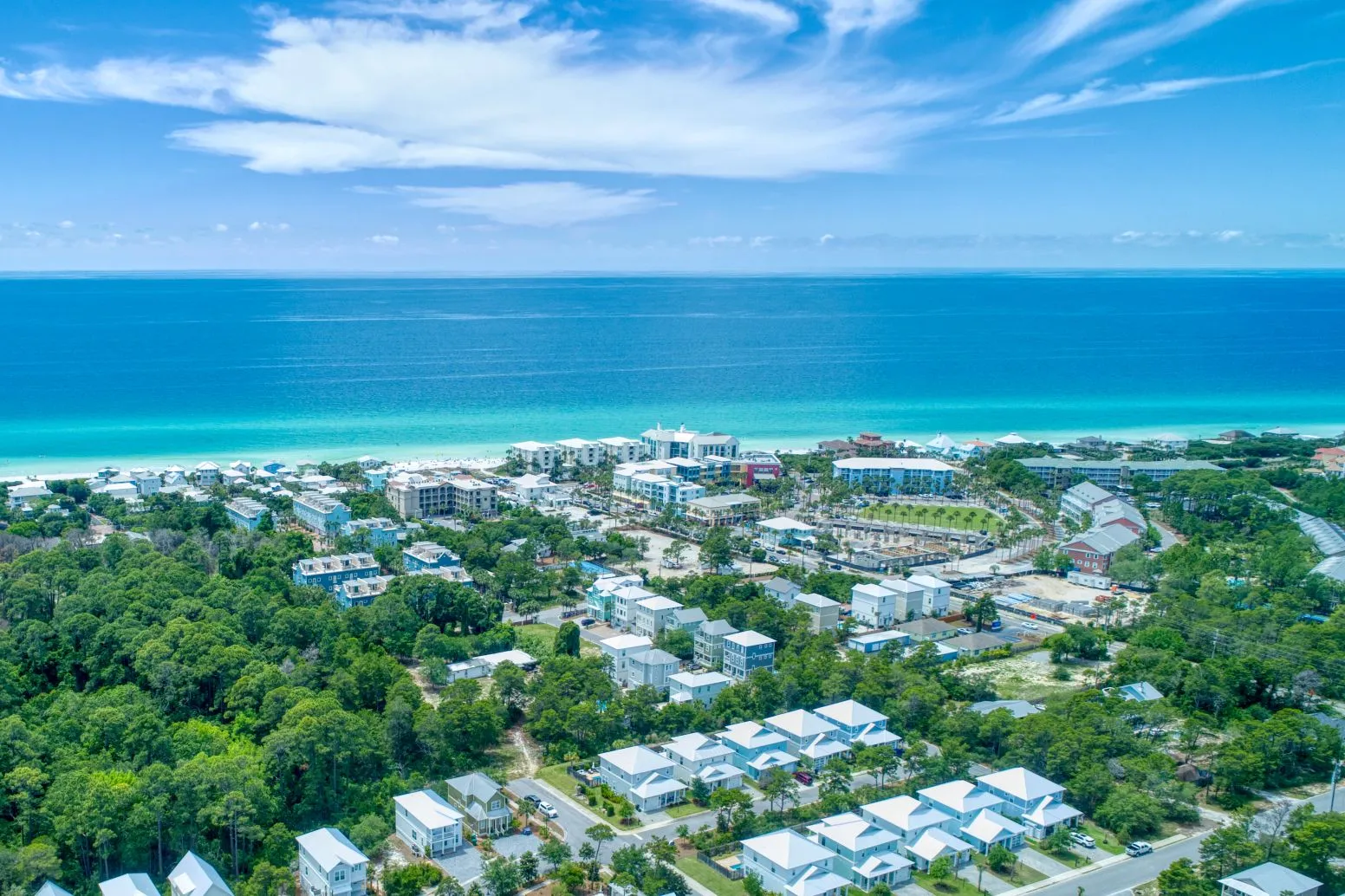
Last week, Hurricane Helene gave us in the Florida panhandle a scare. Destin was spared the brunt of the category 4 monster, but our friends to the east were not so lucky. Devastation was the worst in upstate North Carolina and the surrounding areas. It will take months, if not longer, for Ashville to recover from deadly flash floods, and we continue to pray for those affected.
Hurricane season lasts through the end of November, and Helene should serve as a reminder that lives and livelihoods can be upended with little notice. For small business owners, safeguarding the asset (your business) that keeps a roof over your family and food on the table is critical. Here are just a few steps to take to help ensure that when Mother Nature unleashes her fury, you, your business, and your family are protected:
- Create a Disaster Recovery Plan: Document steps for handling emergencies. Be sure to include employee safety protocols, work-remote procedures, and business continuity plans.
- Get the Right Insurance: Check out our blog on small-business insurance. For DR-specific situations, business interruption insurance, flood insurance, and property insurance are all policies to consider. Regularly review and update your policies to ensure they provide adequate coverage for the risks in your area.
- Back up Your Data: This is so easy to do these days. Digital records should always be secured on the cloud or offsite. After the storm, accessing your business’s data quickly minimizes downtime and helps you resume operations quickly.
- Have an Emergency Fund: Cash on hand may get you through a period of light cash flow due to a natural disaster, such as the impacts of a major hurricane. A few months of liquidity, which can also come in the form of a business loan, is probably sufficient.
- Be Alerted: Stay informed about evacuation routes, emergency alerts, and local support resources. Connecting with authorities can help you act swiftly during a disaster and access public services during recovery.